
Sourcing and quality: grass-fed, nose-to-tail, seed-oil contamination
What actually matters in origin, husbandry, and cooking — and where premium marketing has outrun the information.
This article contains affiliate links (ad). Details under Transparency.
At a glance
- The overall pattern beats perfection on the label. Less ultra-processing is often the biggest lever.
- Grass-heavy feeding can shift fatty-acid profiles. Effect sizes and benefit are context-dependent.
- Nose-to-tail improves micronutrient coverage versus muscle meat alone.
- Seed oils in marinades, restaurant sauces, and prepared mince are an underestimated contamination source for purists.
Priority list
You rank the levers by size, not by marketing volume.
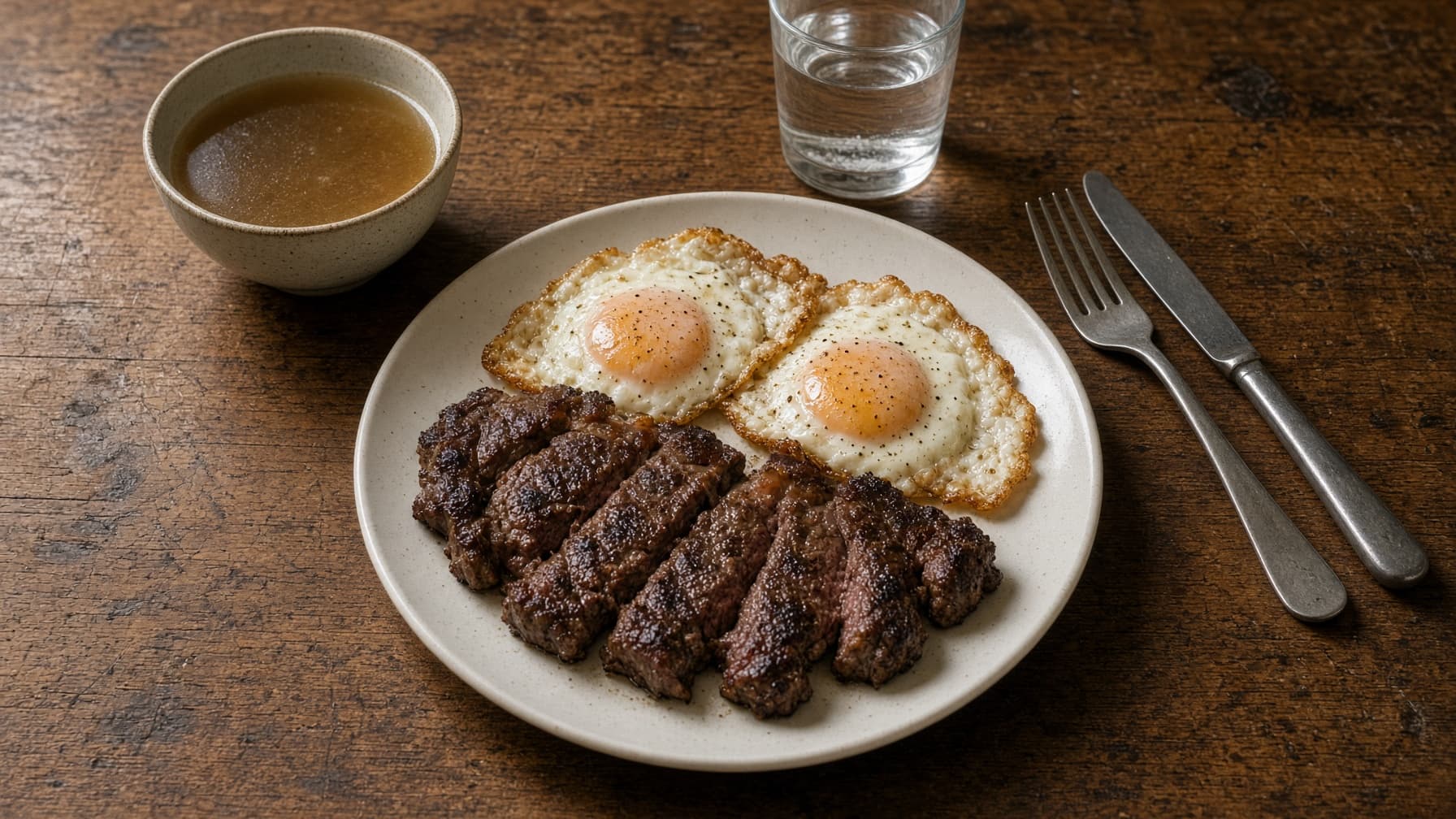
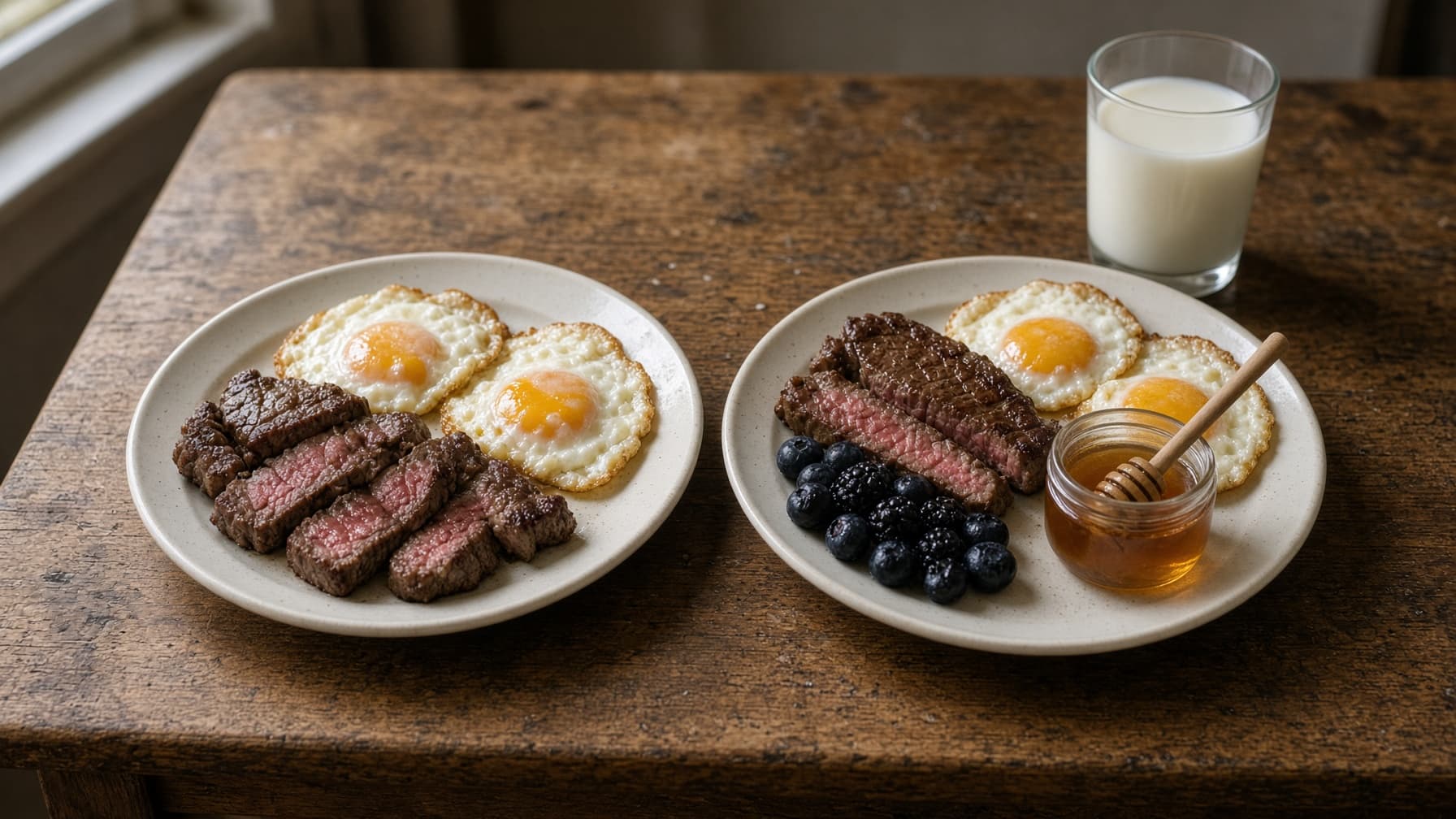
First you eat enough acceptable meat and fat, and you do it consistently. Consistency comes before the ideal. Then you control the cooking. After that come organs and variety: liver, heart, marrow, different animals. Husbandry and feed follow when budget and access allow. Certificate and label perfectionism comes last.
The biggest jump for most people is not the premium label. It is the move away from ultra-processed, seed-oil-heavy food toward meat and fat you cook yourself. The further jump to premium pasture is usually smaller.
Grass-fed and pasture
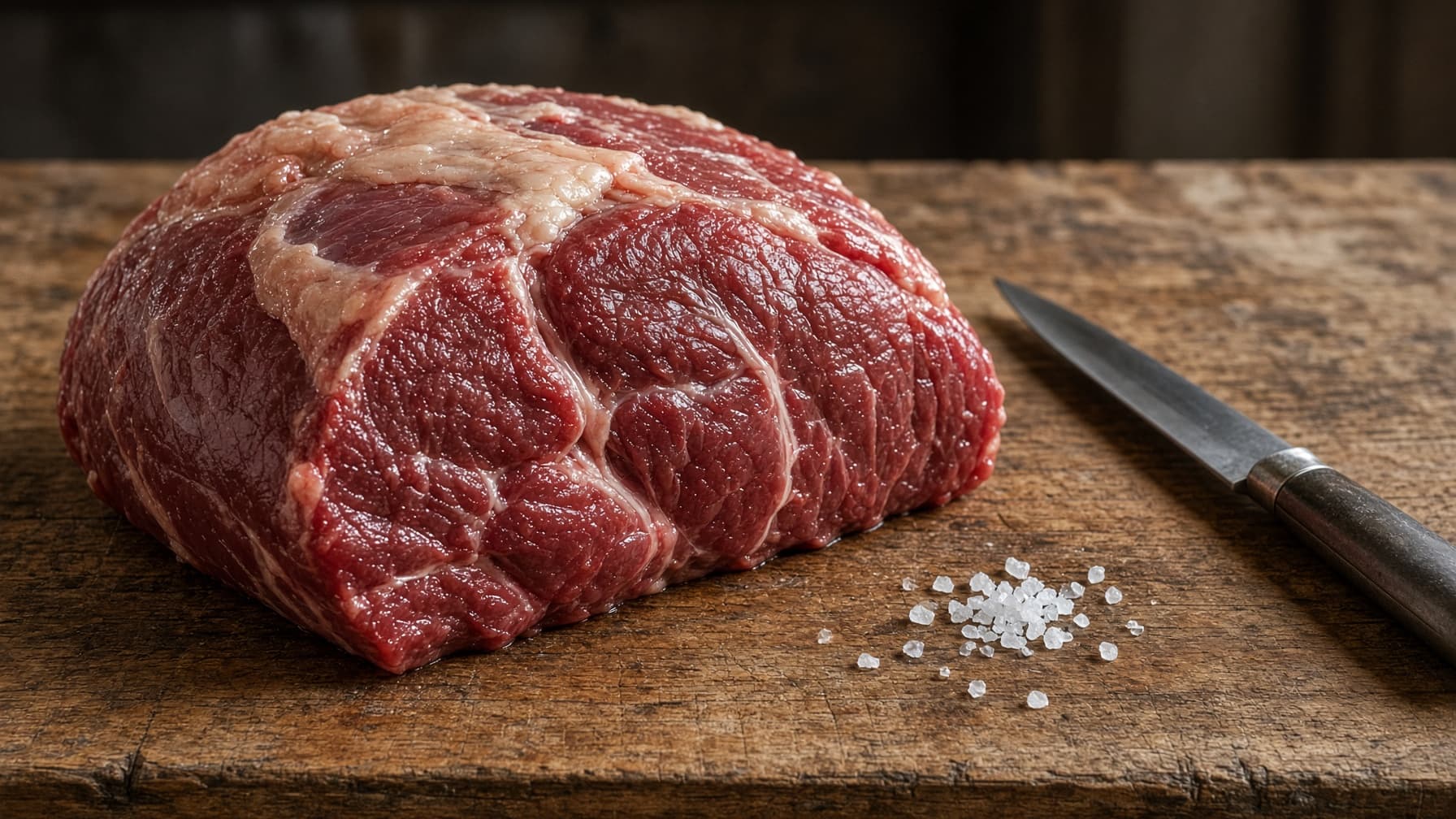
The literature often discusses a shift: omega-3 and CLA tend to run higher on grass-heavy feed, and the omega-6/omega-3 ratio is often friendlier. Fat color, flavor, and texture can differ. Some micronutrient and antioxidant profiles shift.
The limits belong in the same paragraph. “Grass-fed” and “grass-finished” are not defined the same way everywhere. A short stretch on grass, then a grain finish, is not the same as continuous pasture. Absolute omega-3 amounts in beef, even on good pasture, still sit well behind fatty sea fish. For a lot of people’s metabolic health, dropping ultra-processed food and seed oils is the dominant factor. The last polish on the label is not.
Nose-to-tail
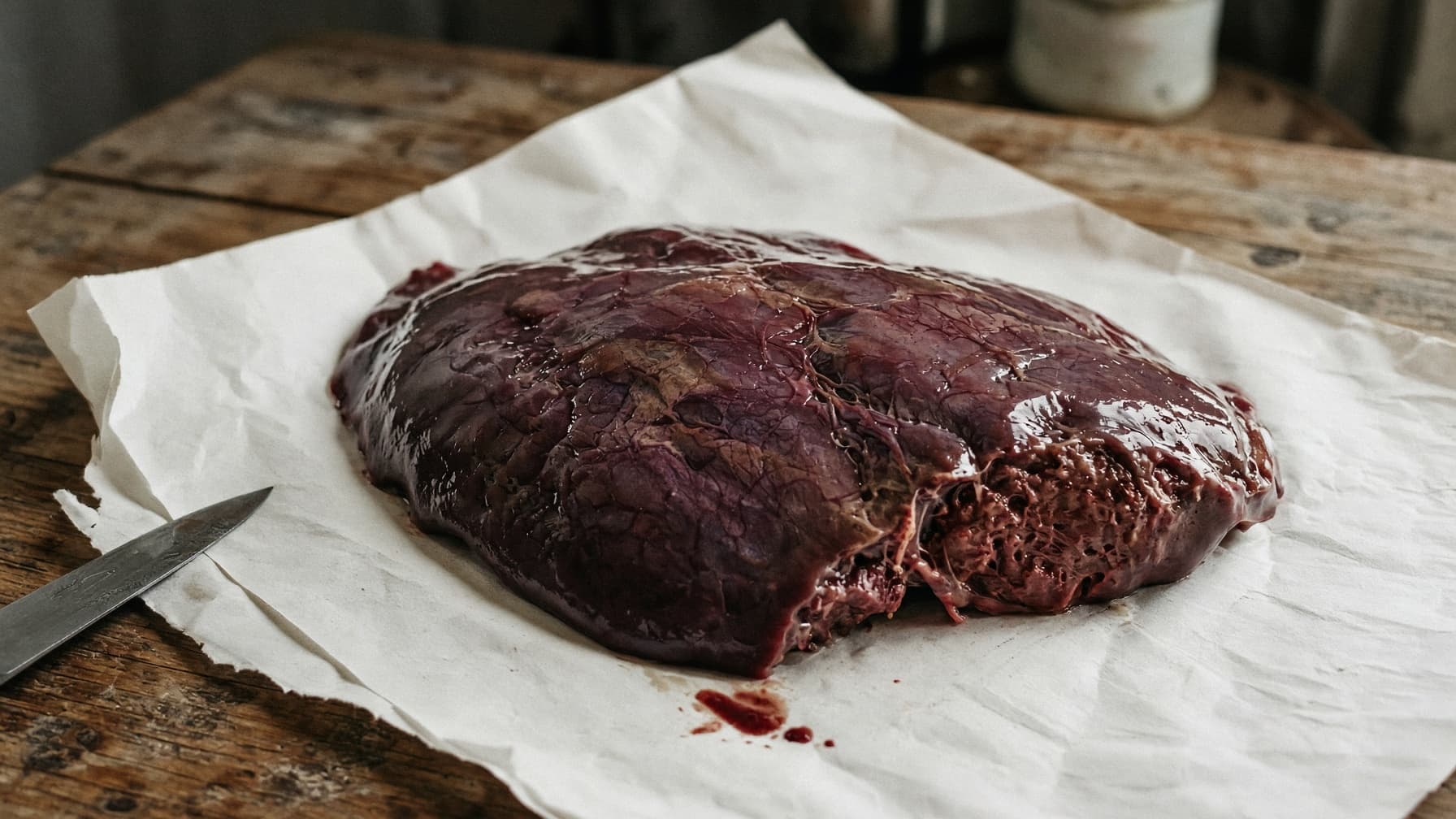
The practical benefit is better coverage of certain micronutrients: retinol, copper, folate, and choline via liver, and further profiles via heart, kidney, and spleen.
You can start without overwhelming the plate: small liver portions of 20–50 g once or twice a week, heart as a relatively mild, cheap muscle organ, bones and joints for broth, marrow now and then. Anyone who only eats filet and then wonders about missing nutrients has misunderstood the system.
Seed-oil contamination
Prepared foods, marinades, “keto” snacks, and restaurant sauces often hide vegetable oils. If you do not read the ingredient list, you bring back exactly what you meant to avoid. Cooking it yourself remains the safest route.
A practical order (and it travels)
First you eat enough, regularly, whether that is the supermarket or the butcher. Then you add organs and variety. Only after that, if budget and access allow, do you pay attention to husbandry and feed. Label perfectionism stays last.
Further reading
Sources
- Comparison studies of grass vs. grain feeding and fatty acids (heterogeneous literature)
This content is general information. It is not medical, dietetic, or diagnostic advice. This article contains affiliate links (ad). Details: Transparency.