Nutrient profile
Nutrient profile: ruminant muscle meat
Protein, creatine, carnosine, minerals, and fatty acids in beef, lamb, and related cuts — the base of a lot of carnivore plates.
At a glance
- Ruminant muscle meat supplies complete protein, well-absorbed iron and zinc, plus creatine and carnosine.
- Fat content and the fatty-acid pattern depend heavily on the cut and the animal’s feed.
- Muscle meat alone is solid. Organs and seafood close typical gaps more cleanly.
Why ruminants are often the base
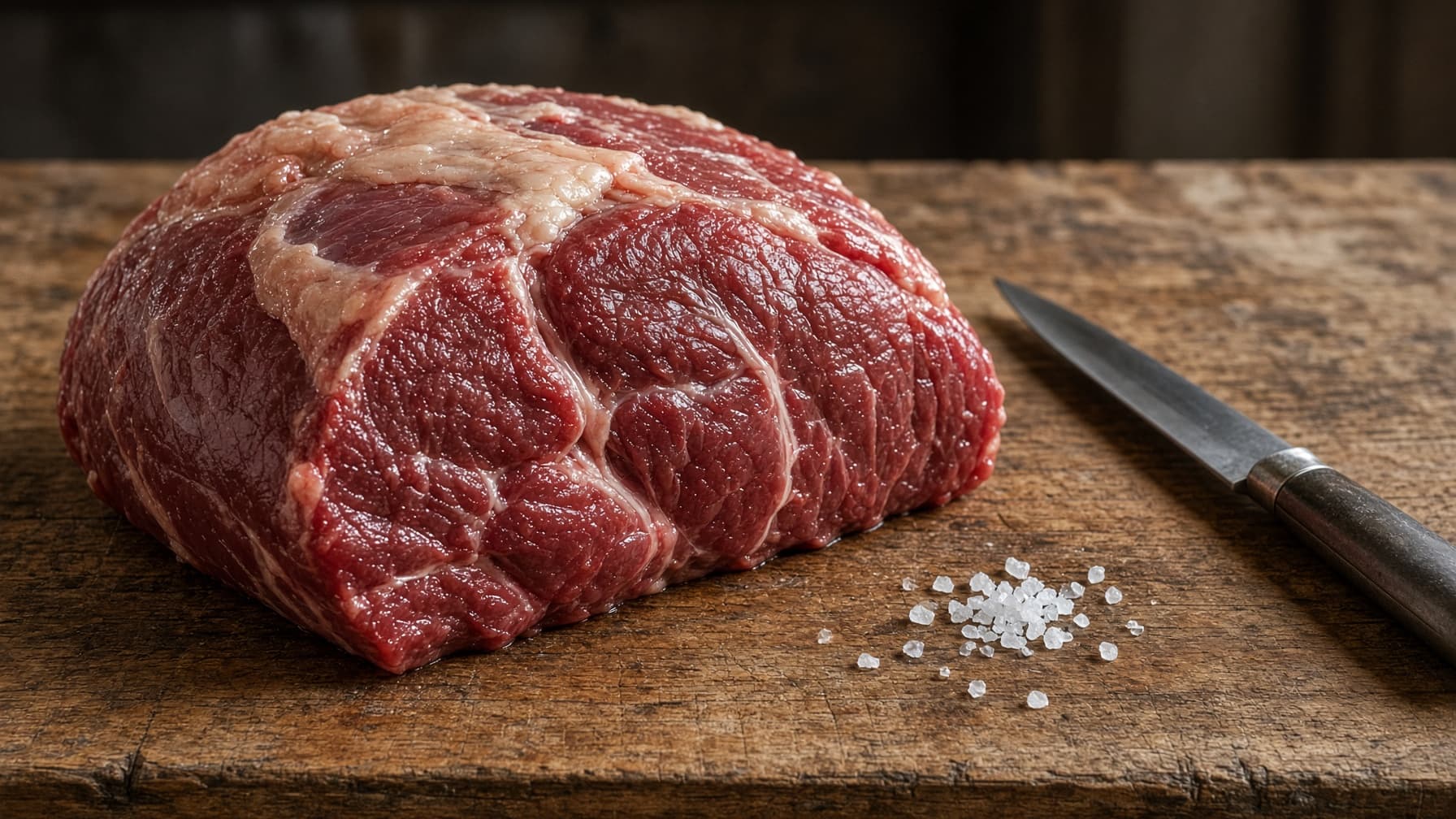
Beef, lamb, goat, bison, and related game sit at the center for a reason. They work as ordinary food and they fill you up. They bring a complete amino-acid profile, they have been historically and culturally available in a lot of regions, and they seem well tolerated by a large share of people. Compared with some other protein sources, they also carry relatively few hard-to-digest surprises.
Muscle meat is the foundation, not the whole orchestra.
Macronutrients
Treat the following as a rounded range for beef per 100 g cooked. The cut moves the numbers.
A lean cut such as tenderloin or hip/round sits around 25–32 g protein, about 4–12 g fat, and 0 g carbohydrate, with energy on the lower side. A fatter cut such as brisket, short rib, or well-marbled mince sits around 18–28 g protein, about 15–35+ g fat, and 0 g carbohydrate, with energy markedly higher.
Exact numbers depend on the cut, aging, cooking, and whether the fat is eaten. Lamb sits in a similar range, often a bit fatter. If you only eat lean filets and then wonder why energy, hormones, or satiety are off, you usually have a fat problem, not a protein problem.
Micronutrients and bioactive compounds
Heme iron is highly bioavailable and relevant for stores and performance. Zinc matters for immune function, skin, and hormonal axes, and it is well absorbed from meat. Vitamin B12 shows up in meaningful amounts practically only in animal foods. Niacin, vitamin B6, and riboflavin come in solid amounts in muscle meat.
Creatine is naturally present in meat. It is relevant for muscle work and is discussed for cognition. Carnosine is a dipeptide with a buffering role in muscle. Taurine sits in animal tissues and is very low on a purely plant diet. Carnitine is involved in fatty-acid transport and shows up in meaningful amounts in red meat.
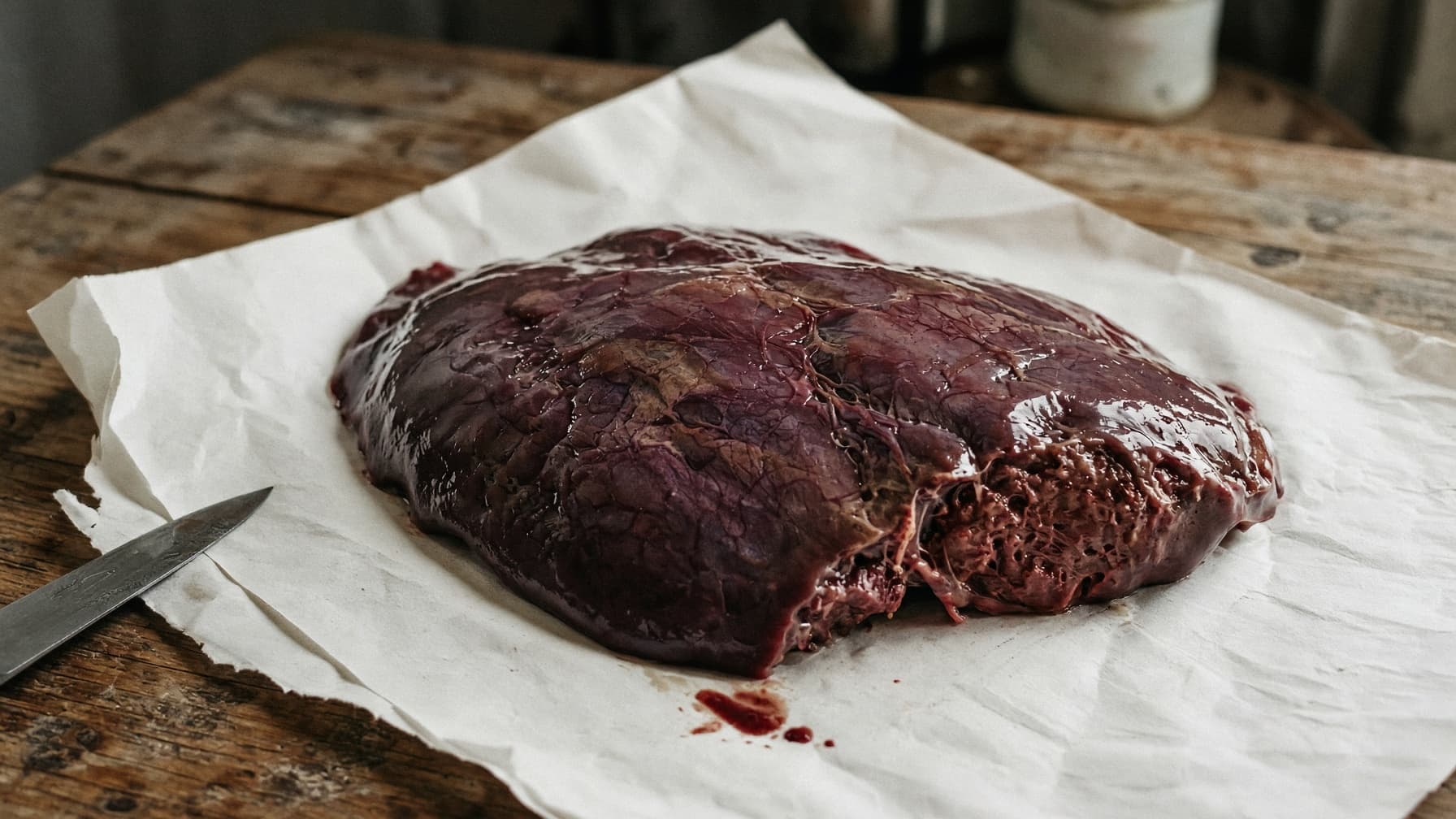
Retinol and folate are often the limiting piece in muscle meat alone. That is where organs come in, liver especially.
Fatty acids and feed
Cut and feed both move the pattern. Grass-heavy or pasture-based feeding often shifts the omega-3/omega-6 ratio in a friendlier direction and can raise CLA. Absolute omega-3 amounts still look modest next to fatty sea fish. The effect is real, not magic. Grain and finish systems change total fat and the pattern. Marketing labels such as “grass-fed,” “grass-finished,” or “pasture-raised” are not used the same way everywhere.
For most people, the jump from ultra-processed food to home-cooked ruminant meat is the big lever. Premium pasture is an optimization for when budget and access allow it. It is not the price of admission.
Practical cut choices and tactics
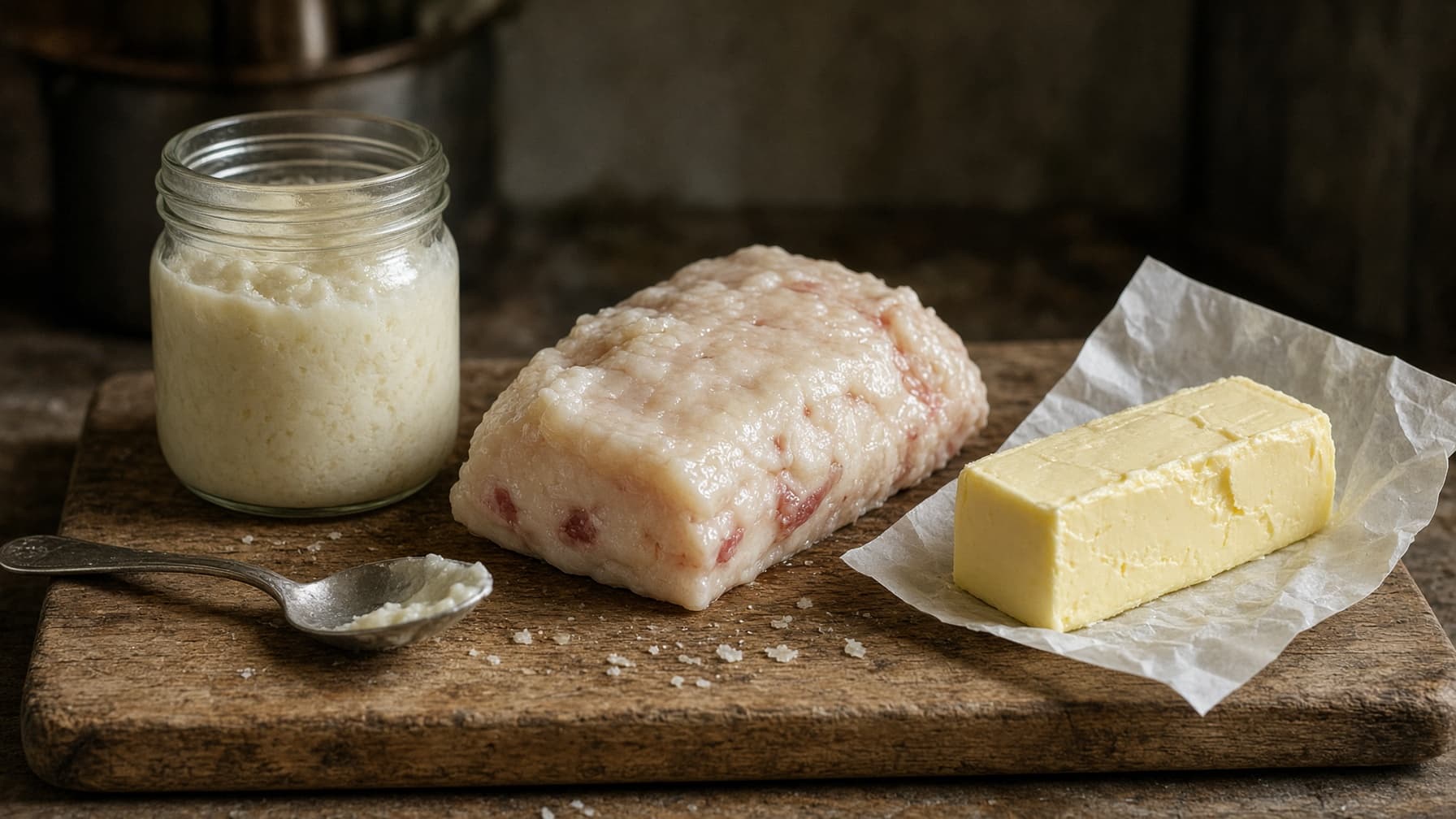
Ordinary and cost-efficient cuts are mixed mince, shoulder, short rib, brisket, and shanks. You eat the fat, or you render it later as tallow.
Lean plus separate fat means tenderloin, round, or shank plus tallow, marrow, butter, or lard. That keeps control over the protein-to-fat ratio.
Variety comes from rotating lamb and game, which changes flavor and nutrient profiles. Not the same filet every week.
Further reading
Sources
This content is general information. It is not medical, dietetic, or diagnostic advice.