Nutrient profile
Fat is your friend — why the right fat counts
Energy, hormones, membranes, fat-soluble vitamins, and satiety: why animal fat is central on carnivore and animal-based plates, and how sources differ.
This article contains affiliate links (ad). Details under Transparency.
At a glance
- On a very low-carb diet, fat is the primary energy currency, and lean meat alone often does not cover the need.
- Fat is more than a calorie source: it matters for hormones, cell membranes, fat-soluble vitamins, and satiety.
- Sources, processing, and fatty-acid profile differ from one fat to another.
- Fear of saturated fat and cholesterol is often overdone in practice, but it still has to be contextualized individually.
Why this topic is even controversial
For decades, fat, and saturated animal fat in particular, was cast as the central villain. The message was simple: fat makes you fat and clogs arteries. In carnivore and animal-based practice that ranking flips. Fat is what carries the energy, not what you trim away first.
That follows from the physiology of eating with very little carbohydrate, or none. Without enough fat, energy need stays unmet, or the protein load gets so high that it becomes impractical and potentially a problem.
Energy: the primary currency on low carb
Carbohydrate and fat are the two large energy substrates. Under strict carbohydrate restriction, fat takes the main share. Protein can be converted into glucose in part (gluconeogenesis). Using it as the only energy source is inefficient and expensive, both metabolically and in the kitchen.
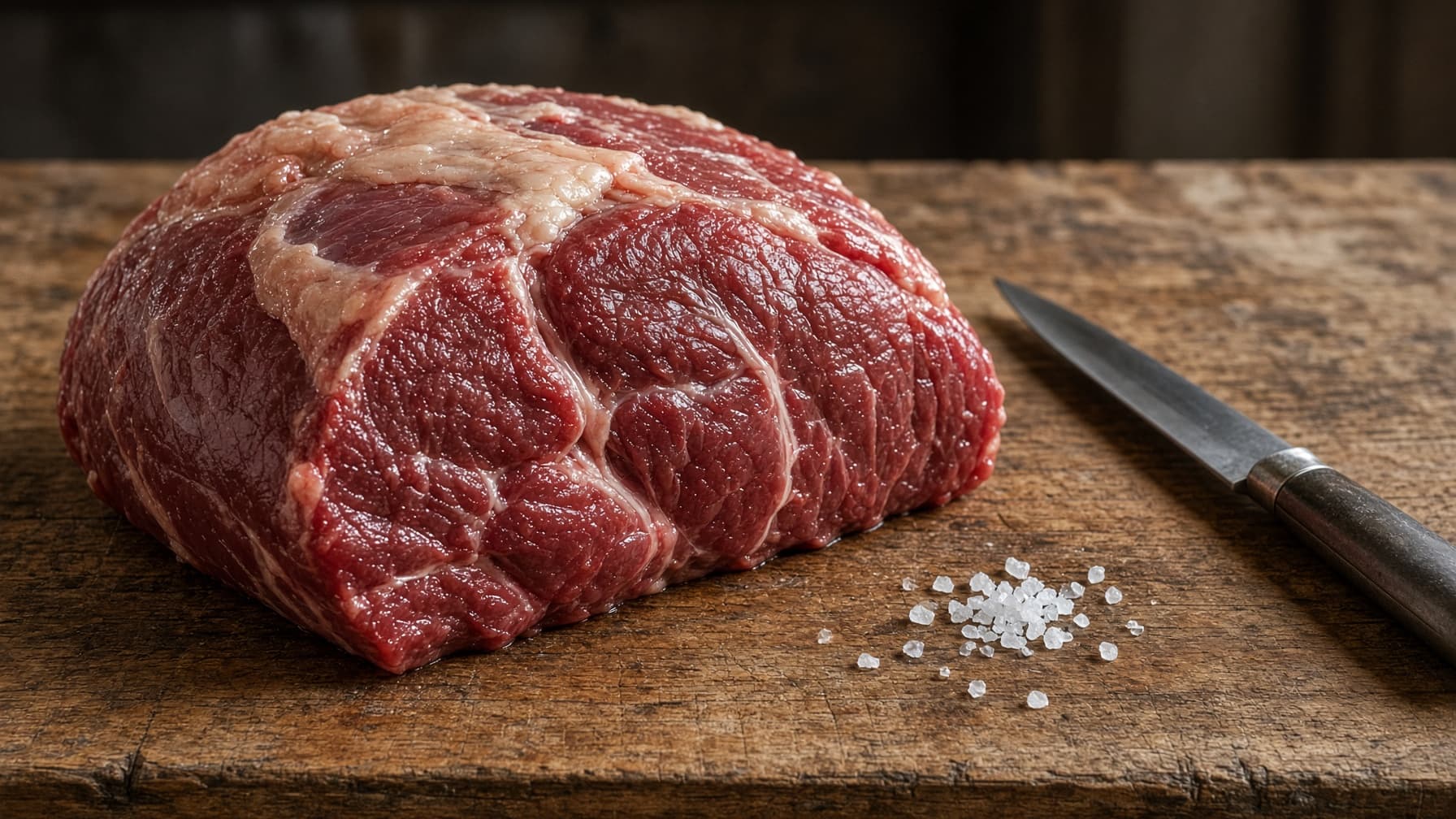
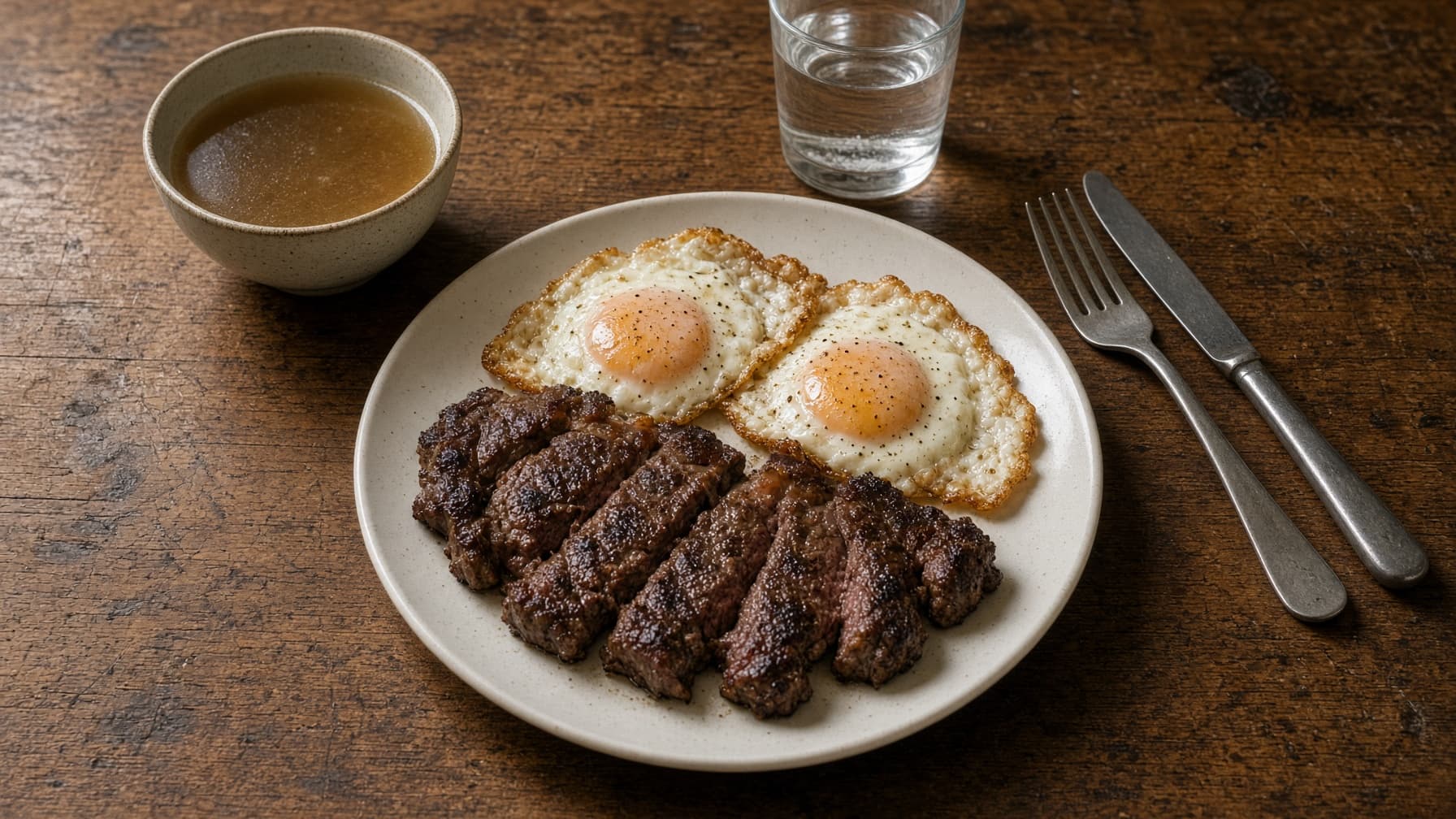
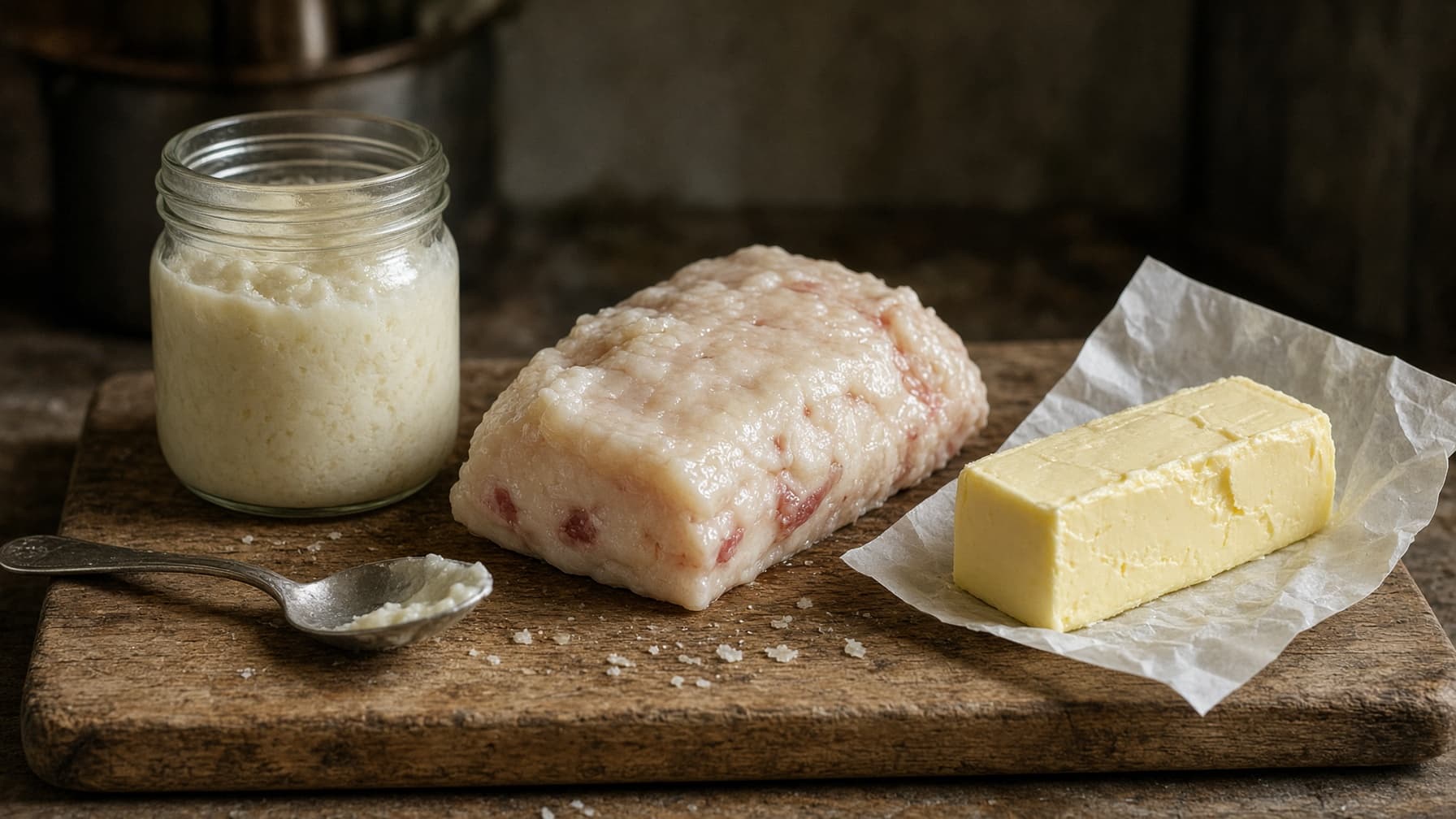
The same pattern shows up in the older clinical and historical descriptions of “rabbit starvation,” or protein poisoning. Extremely lean food without fat leads to nausea, weakness, diarrhea, and an inability to cover energy need with protein alone. The observation is not a case against protein; it is a warning against using protein without fat as a standing energy strategy. Steak with visible fat, tallow in the pan, egg yolks, butter, or cream if you tolerate it: none of that is garnish.
More than calories: structural and regulatory roles
Cholesterol and fatty acids are starting material for steroid hormones, among them testosterone, estrogen, cortisol, and vitamin-D metabolites. Chronically extremely low fat can matter here, especially under a heavy training load or in stressful stretches.
Cell membranes, absorption of fat-soluble vitamins, and satiety signals also depend on fat. Anyone who eats lean for a long stretch and then wonders why hunger, energy, or hormones are off often has the problem right here.
Practice
Eat the visible fat rather than trimming it first. Tallow, butter, or ghee in the pan does the same job. Keep the yolks; on animal-based, cream or cheese in measured amounts is fine if you tolerate it.
If you stay flat and hungry, the usual miss is not too little protein but too little fat. Raising lean meat alone rarely fixes it. Steer the protein-to-fat ratio on purpose instead of chasing the leanest filet.
Further reading
Sources
- Classic observations of 'rabbit starvation' / protein toxicity on extremely lean diets
- O’Neill & Raggi 2020 – ketogenic diets and the lipoprotein profile (PMID 31802496)
- Discourse on saturated fat and cardiovascular risk — mixed and contested evidence
This content is general information. It is not medical, dietetic, or diagnostic advice. This article contains affiliate links (ad). Details: Transparency.