Nutrient profile
Micronutrients on carnivore: C, iodine, magnesium, potassium, calcium, K2
Which micronutrients can actually run short on strict carnivore and animal-based eating — with USDA numbers, ODS fact sheets, and without panic.
At a glance
- B12, heme iron, zinc, and complete protein are usually the easy side of animal foods. C, iodine, magnesium, potassium, calcium, and K2 deserve the more honest table.
- Strict muscle-meat carnivore and nose-to-tail or animal-based eating have different risk profiles.
- Requirement values (DGE/EFSA/ODS) are orientation from mixed-diet populations, not a carnivore validation.
- Labs and symptoms beat any spreadsheet row. Supplements are a tool.
What a matrix is for — and what it is not
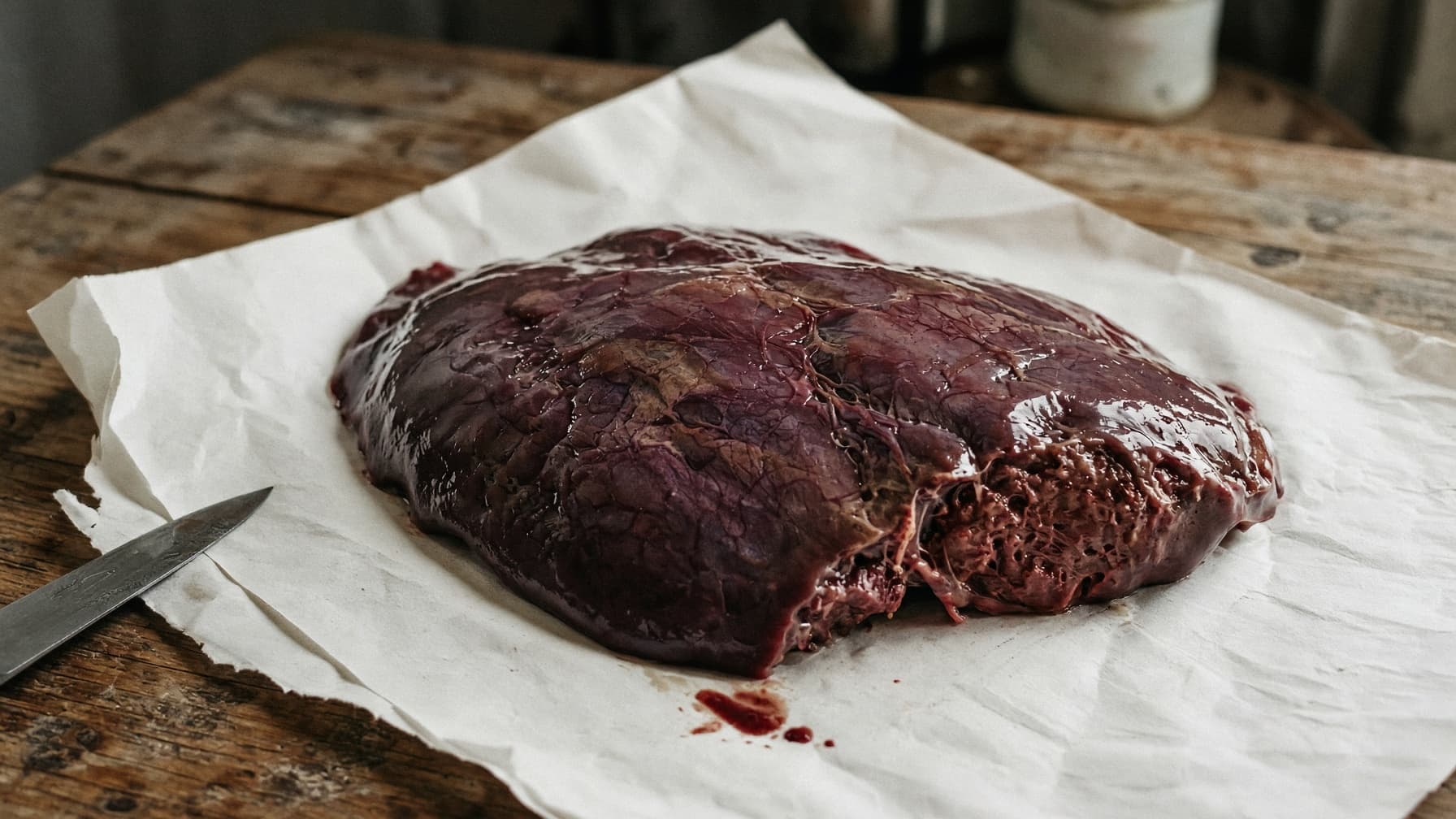
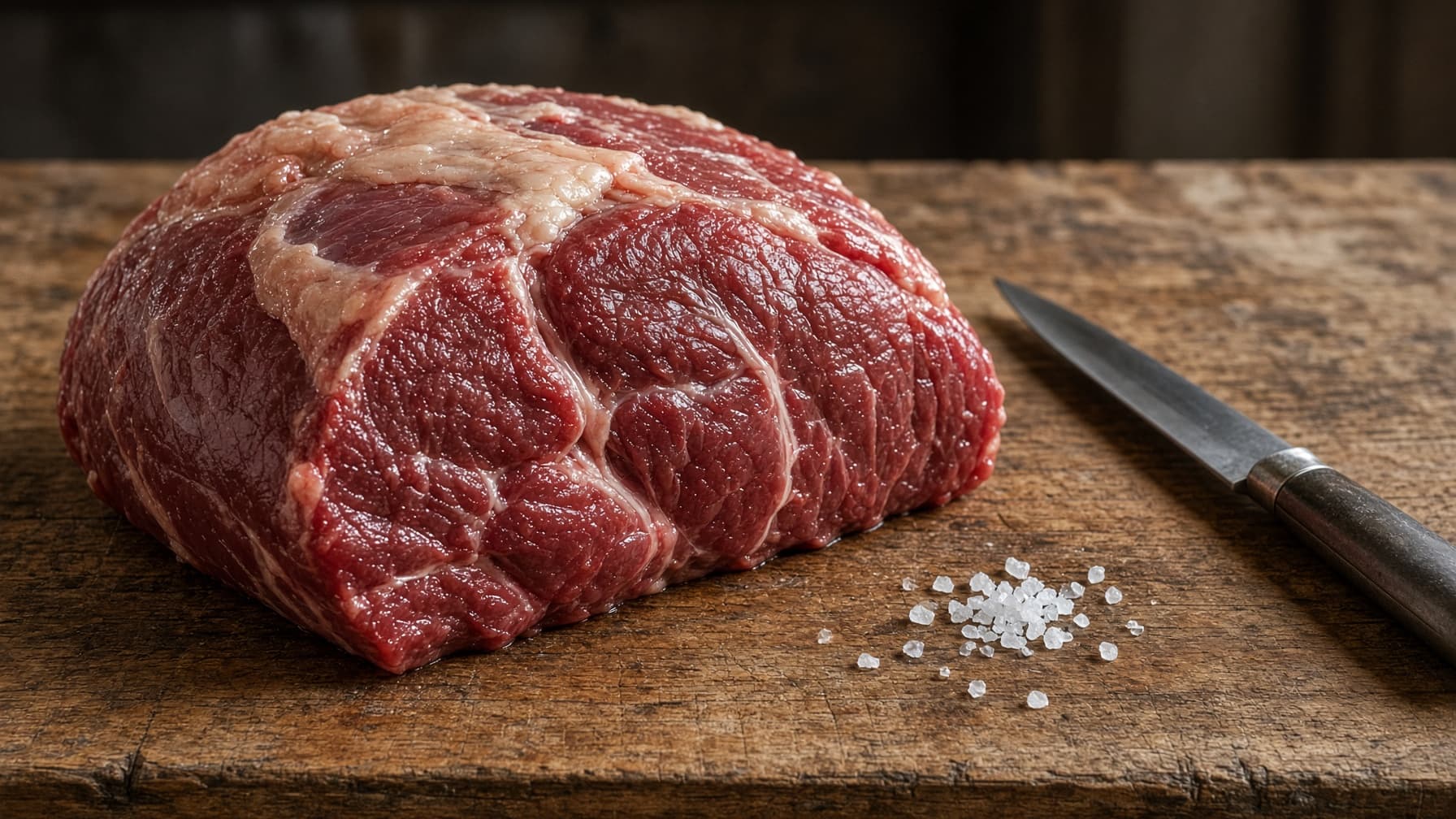
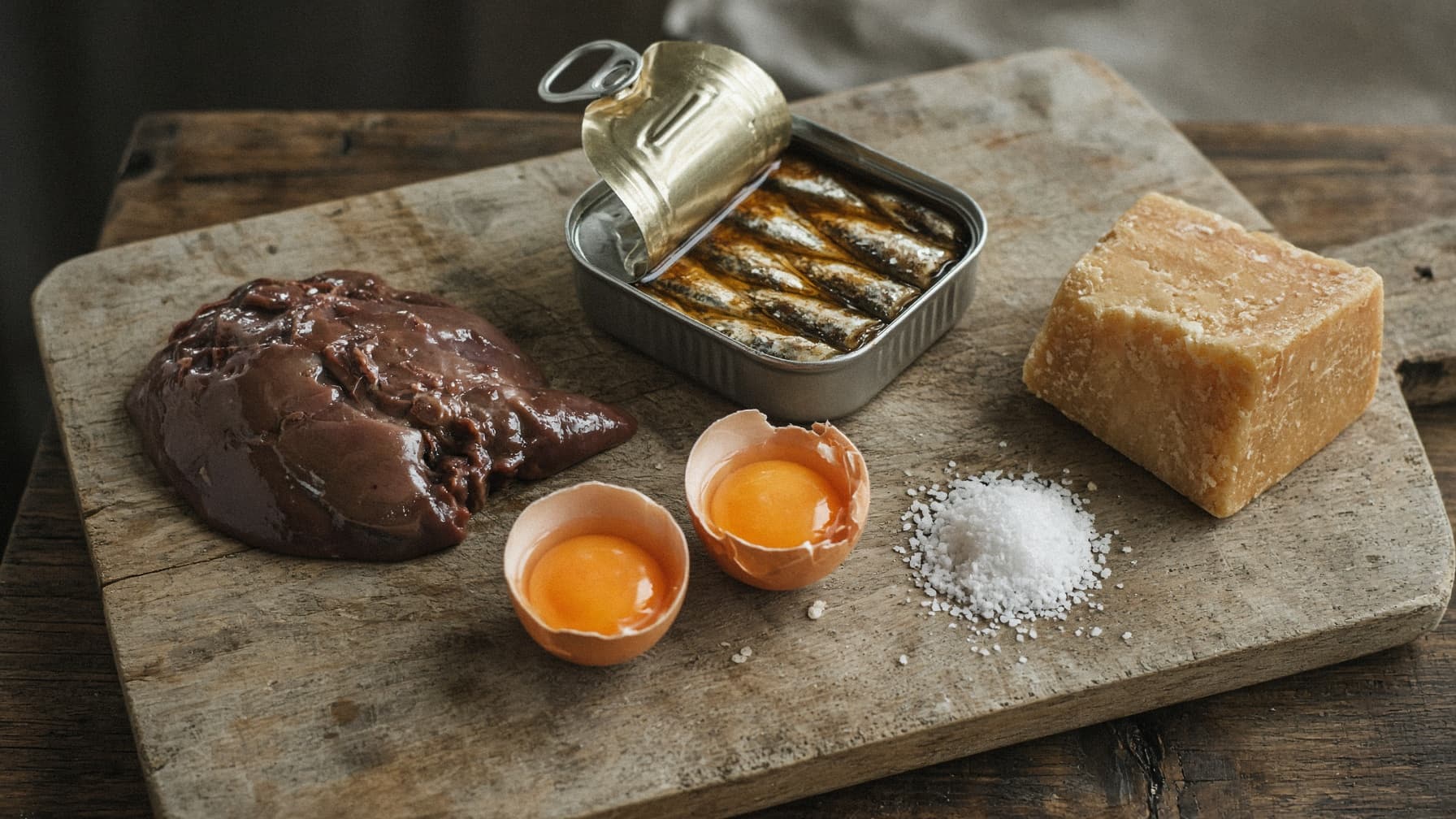
“Carnivore is missing nutrients” is as useless as “meat has everything.” Both depend on what is actually on the plate. Lean chicken breast does not sit in the same place on a nutrient table as beef liver, oyster, egg yolk, cheese, and marrow.
Not a supplement prescription: high-dose iodine, vitamin A, iron, or potassium without an indication and without context (thyroid, hemochromatosis, kidney, medications) can do harm. Extreme values belong in labs and clinics, not in internet dosing tables.
Quick map
The notes below sort the nutrients that deserve the more honest table. They are meant for orientation and are not a dosing plan.
Vitamin C
Vitamin C is low on strict muscle-meat carnivore, but it is not zero. Scurvy on mixed organ and fresh-meat eating is historically rarely documented. Fresh meat, liver, and fish roe can contribute measurably. Fruit on animal-based eating lifts C clearly. The usual tripwires are long storage, only well-done lean meat, and a very one-note plate.
Iodine
Iodine depends heavily on seafood, eggs, dairy, and the kind of salt you use (iodized or not). It is easy to run low on inland muscle-meat-only eating. Iodized salt or occasional seafood often closes the gap.
Magnesium
Magnesium is possible from food. In practice it is often supplemented, especially in the transition. Cramps and sleep problems are common clues.
Potassium
Meat supplies solid amounts. It can get tight when produce is very low and an electrolyte imbalance sits on top of that. Total energy and salt status count too.
Calcium
Calcium is harder to cover without dairy and without a deliberate use of bone. Bone broth is not a reliable calcium miracle. Cheese or marrow help if they are tolerated.
Vitamin K2
K2 is present in certain animal fats and organs; it depends on the actual selection. Egg yolk, liver, and fermented dairy are relevant sources.
A practical stance
Deficiency is an empirical question of the actual composition, not an automatic consequence of the label. Nose-to-tail with variety and enough fat closes most gaps more cleanly than a filet-only diet. Labs and symptoms beat forum dogma.
Further reading
Sources
- USDA FoodData Central – Beef, ribeye, cooked (muscle-meat example)
- USDA FoodData Central – Beef liver, cooked
- NIH ODS – Vitamin C Health Professional Fact Sheet
- NIH ODS – Iodine Health Professional Fact Sheet
- NIH ODS – Magnesium Health Professional Fact Sheet
- NIH ODS – Potassium Health Professional Fact Sheet
- NIH ODS – Calcium Health Professional Fact Sheet
- NIH ODS – Vitamin K Health Professional Fact Sheet (K1/K2 context)
- EFSA – Dietary reference values for vitamin C
- DGE – Iodine reference values (German mixed-diet context)
- USDA FoodData Central – Egg, yolk, raw, frozen (K2/choline context, example)
This content is general information. It is not medical, dietetic, or diagnostic advice.