
Myth & critique
Missing nutrients on carnivore
Carnivore does not automatically miss every essential nutrient. B12, iron, and zinc are in meat. The tight spots are vitamin C, calcium, and eating no organs.
At a glance
- Many nutrients treated as critical — B12, heme iron, zinc, complete protein — are well available in animal foods.
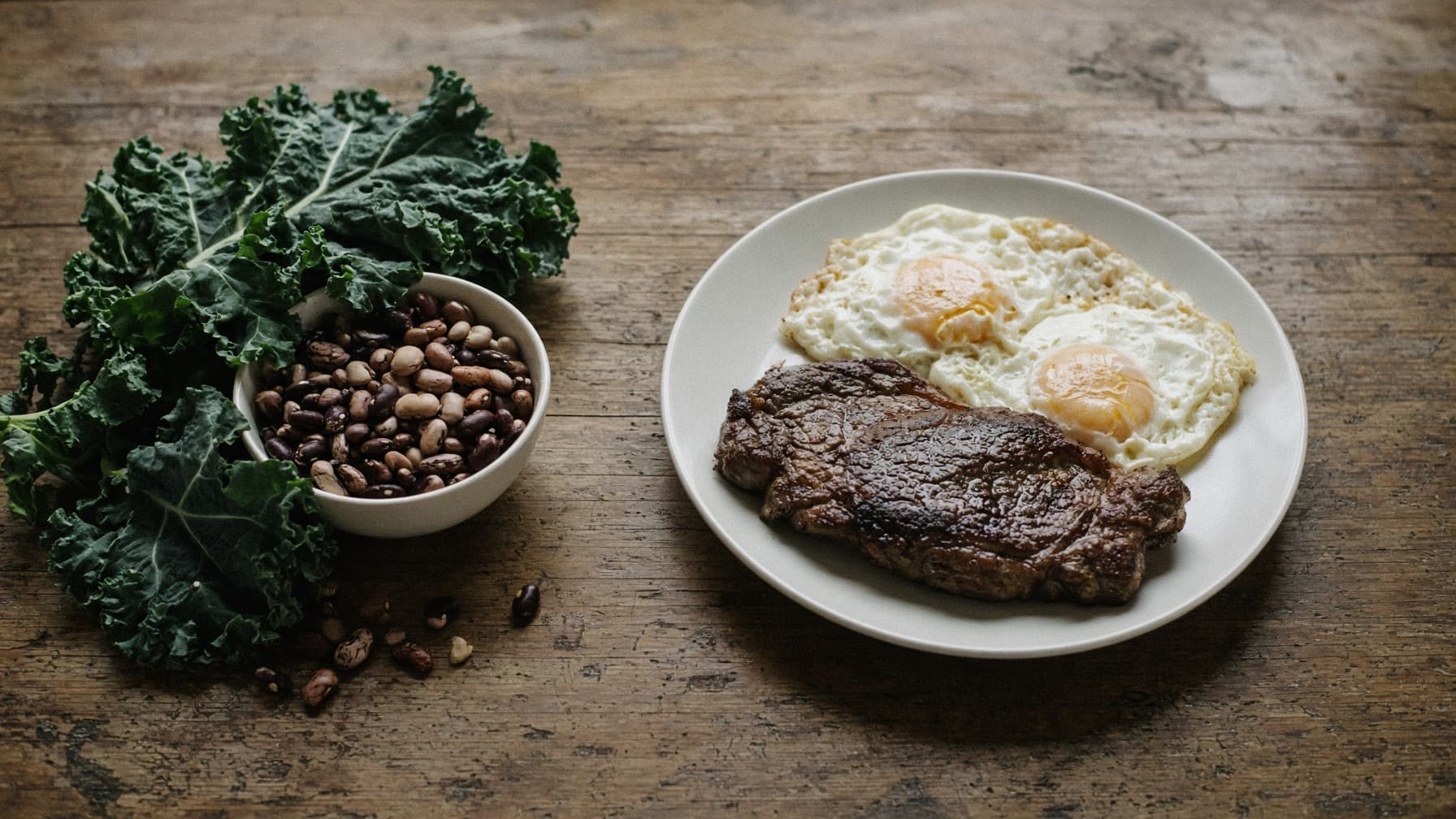
- The real discussion points are vitamin C on a strict muscle-meat plate, calcium without dairy, and the variance you get without organs.
- Deficiency is an empirical question of labs, symptoms, and composition, not an automatic consequence of the carnivore label.
The claim
“Anyone who eats only animal foods is bound to fail on vitamins and minerals. The diet is incomplete and, over time, deficient.”
Where the claim overreaches
Animal foods are more bioavailable for several nutrients, or they are the only practical source in usual amounts.
Vitamin B12 is, in ordinary amounts, practically only relevant in animal products. Heme iron is clearly better absorbed than most non-heme sources. The protein is complete, with all essential amino acids in useful ratios. Creatine, carnosine, taurine, and carnitine are essential or conditionally essential depending on the definition; on a purely plant diet they run low or drop out. Retinol, preformed vitamin A, sits especially in liver, and beta-carotene does not convert equally well for everyone. Zinc is well available in meat and less blocked by phytates.
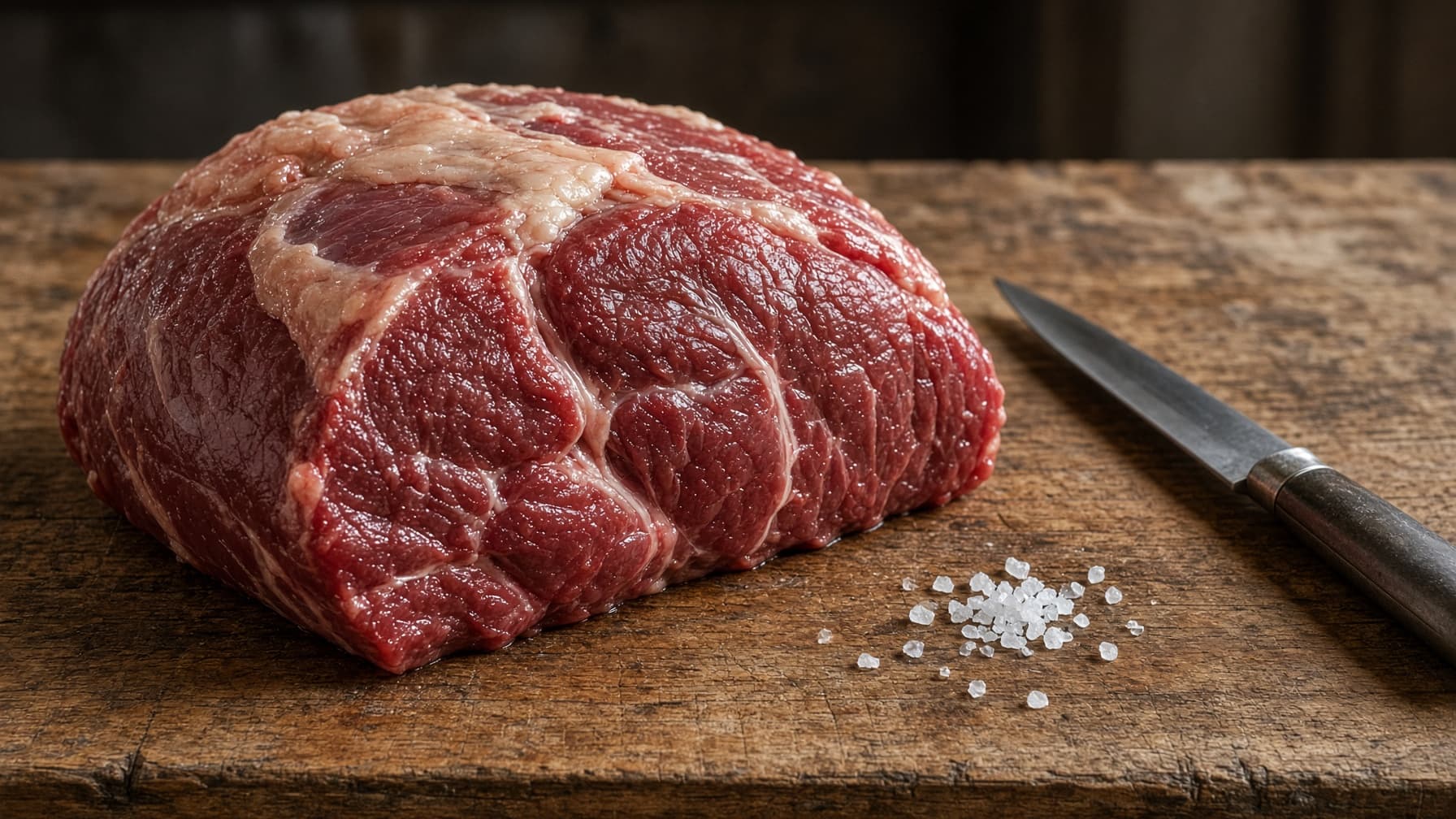
Anyone who treats “carnivore” as “only skinless lean chicken breast and no organs” has built a straw man. Nose-to-tail looks different on the nutrient side than a one-note filet diet.
Real tension
Vitamin C is present in small amounts in fresh meat and organs. Some authors discuss a lower need at very low carbohydrate intake. Scurvy on organ-containing, fresh carnivore is historically and clinically rarely documented. Zero risk is still not proven.
Calcium is harder to cover without dairy and without a deliberate use of bone. Bone broth is not a reliable calcium miracle.
Magnesium is possible from food; in practice it is often supplemented.
Iodine depends heavily on seafood, eggs, dairy, and the kind of salt you use.
Organs change the math
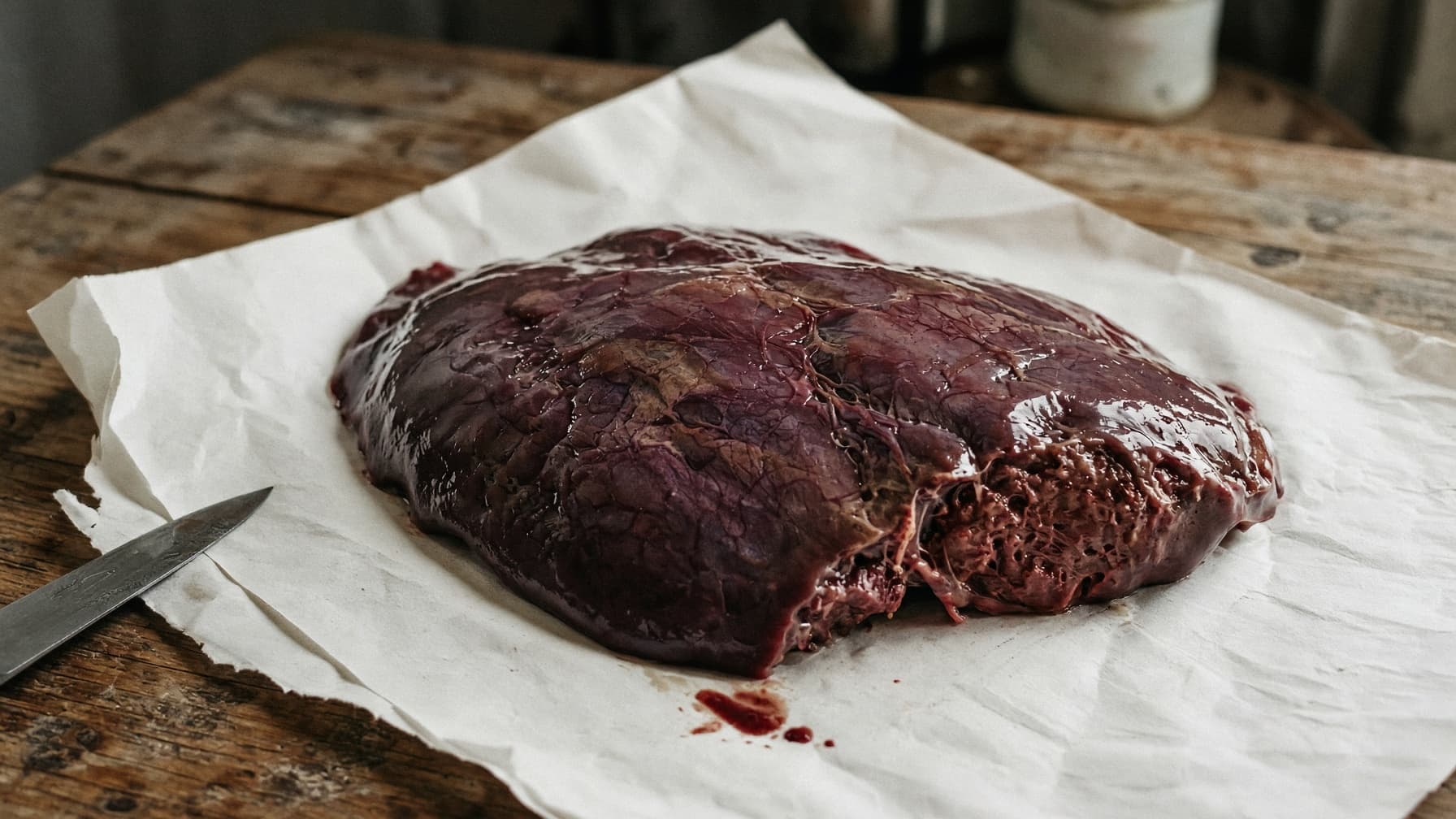
Regular small amounts of liver and other organs shift the micronutrient profile dramatically. Retinol, copper, folate, choline, and B12 come with little effort. Animal-based eating with fruit addresses a different set of preferences. How you implement it matters more than what you call it.
CarnivoreCore’s position
Carnivore can be nutrient-dense, especially as nose-to-tail with variety and enough fat. Carnivore can be thin, especially as lean convenience meat with no organs. Implementation and observation (symptoms plus labs) count more than the label.
Further reading
Sources
- USDA FoodData Central
- Nutrient reference values (DGE/EFSA) as orientation, not as a carnivore validation
This content is general information. It is not medical, dietetic, or diagnostic advice.