Sourcing organs: liver, heart, counter, market
Where liver, heart, and bones actually show up — supermarket, butcher, market, mail order, freezing — without an organ Olympics.
At a glance
- Organs exist. They rarely sit in the evening self-serve case.
- You call, portion, and freeze. That beats three Saturday markets.
- Chicken liver is the usual on-ramp. Beef liver comes in small pieces.
- No organs is logistics, not a moral failure.
Not the organic case on Saturday evening
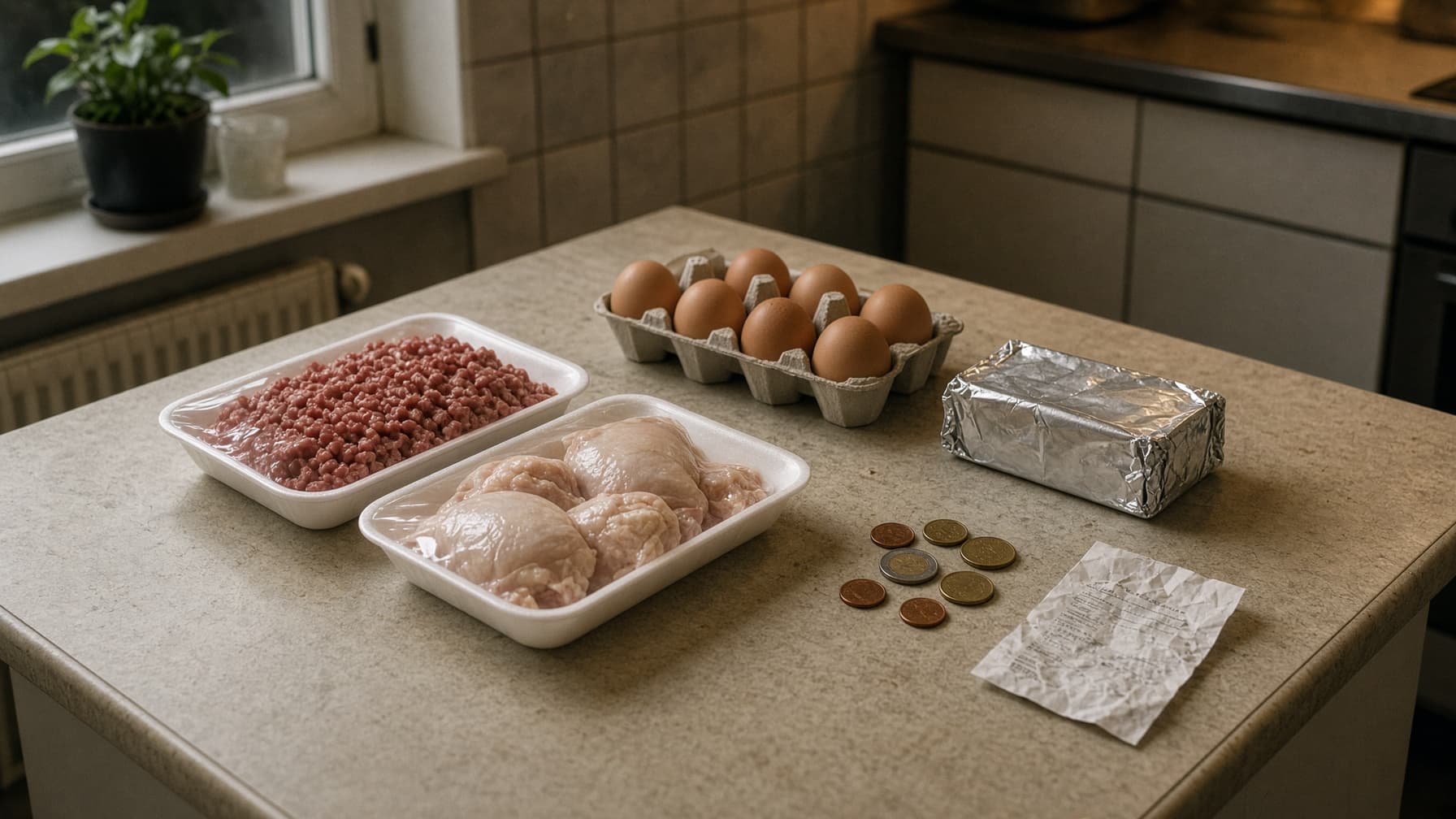
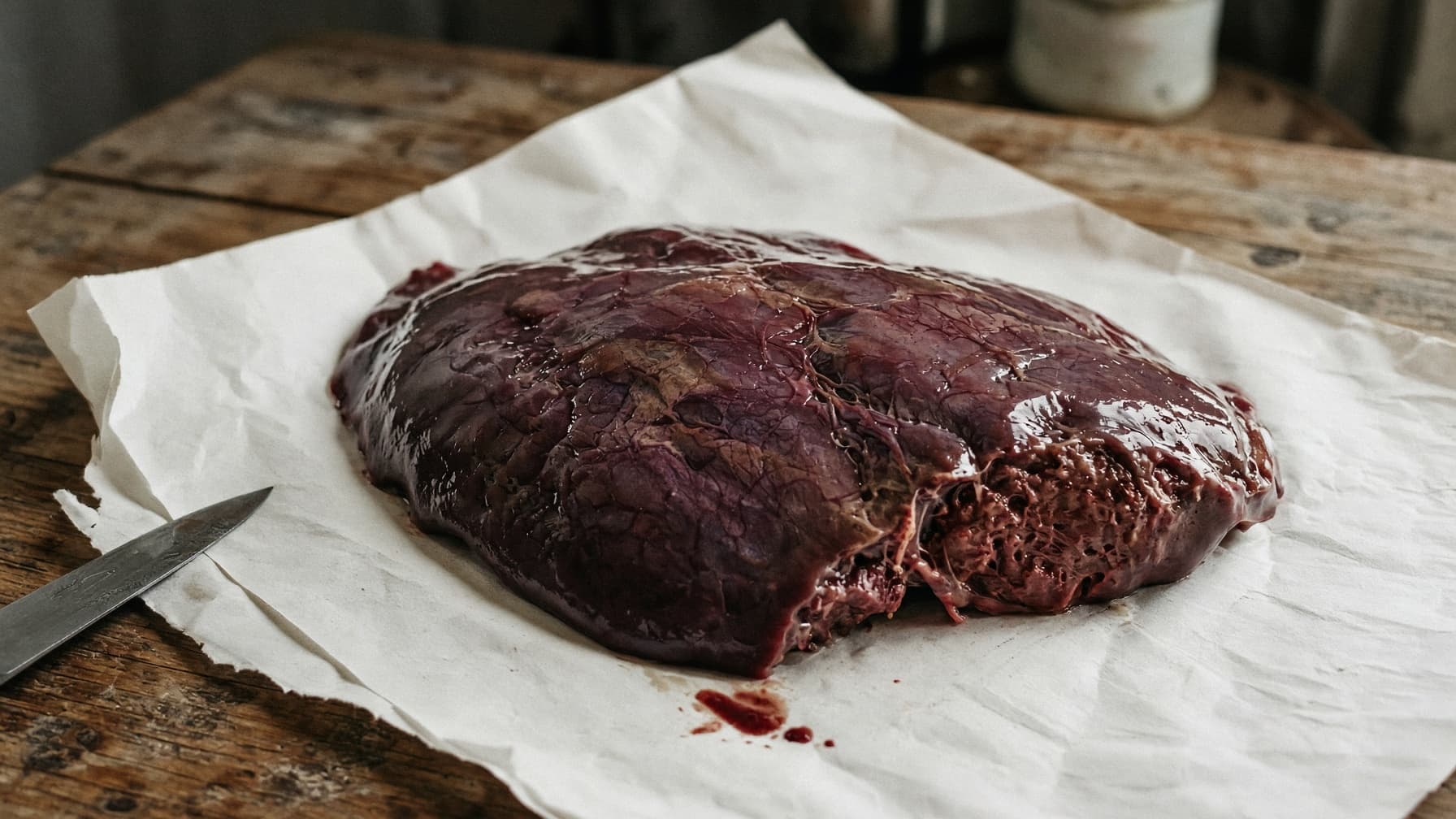
People look for organs at the wrong time in the wrong place: late afternoon, self-serve case. Liver, heart, kidney, tongue, and marrow bones are rarely there. They sit with the butcher, at markets, in shops with an offal culture, and sometimes as chicken liver in an ordinary supermarket.
The sentence that saves three markets
You call. The sentence is literal: “Do you have beef liver or chicken liver, and can you portion 300 grams into 80-gram pieces?” If not: when will you have more, or heart instead. Anyone who does not ask either buys nothing or buys 800 g and hates the rest of the week.
What sits where
A supermarket often has chicken liver, rarely heart, rarely beef liver. If it is there, you take it and portion it immediately.
A meat counter has liver or heart now and then. You ask instead of hoping.
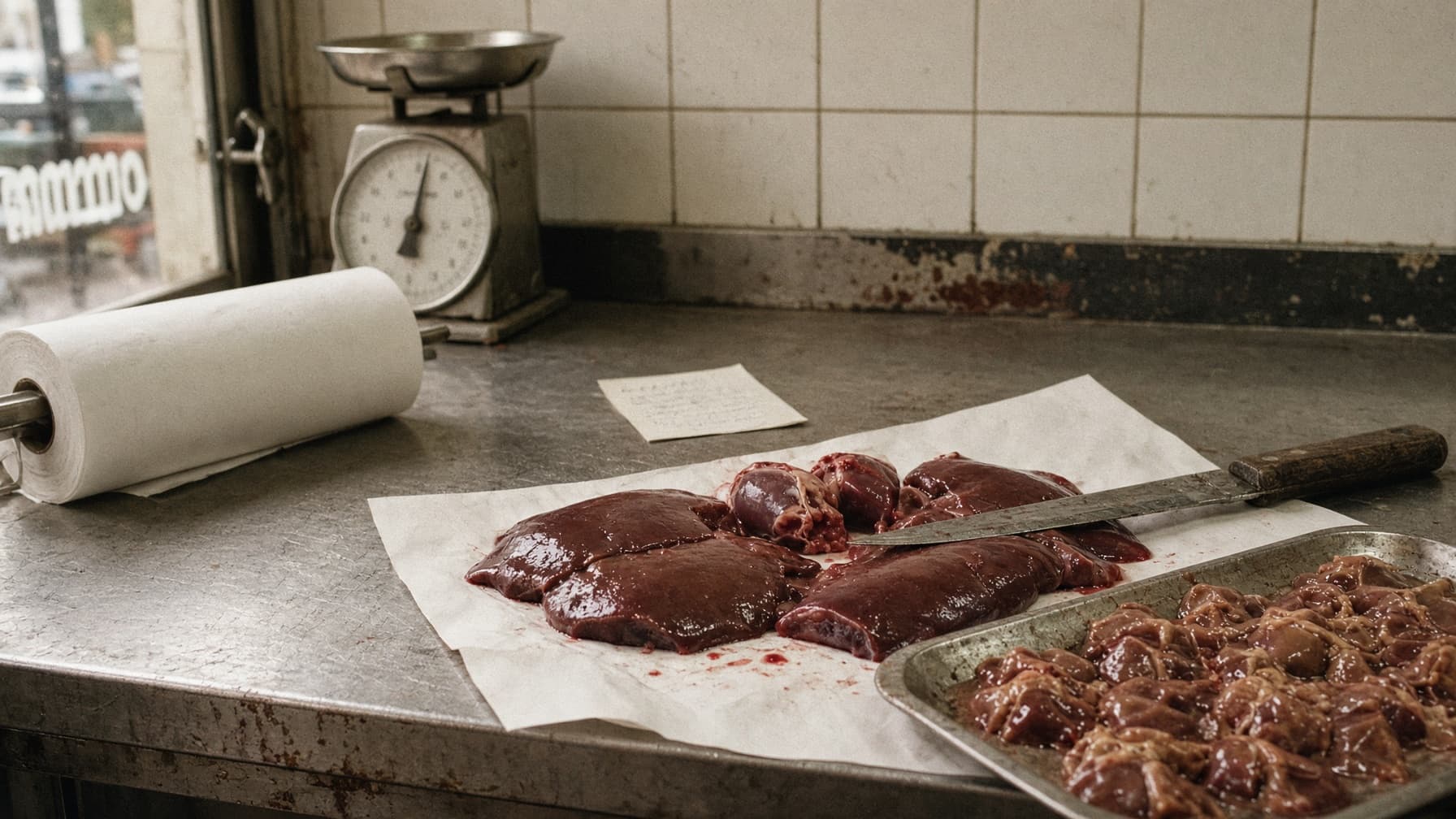
A butcher or a farm will do liver, heart, tongue, bones, and tallow on order. You order ahead.
A weekly market is irregular and often an honest cut. You arrive early.
In shops where offal is ordinary, it is not a shame question.
Mail-order or a subscription box means nose-to-tail and shipping. You measure freezer space first. Pasture and organic describe how the animal was kept. They do not replace the phone call.
Freeze on the day you buy
Organs do not wait for cooking mood. The same day, you rinse them, pat them dry, and trim visible ducts if needed. Liver goes into 50–100 g portions; heart goes in slices. Freeze them flat. Thaw overnight in the fridge, not on the radiator. Nobody needs a liver pan for four. 30–50 g into mince is, for a lot of people, the only way it stays.
What first, what later
First comes chicken liver (easy to find, a mild dose) or very small amounts of beef liver. Then heart: muscular, less “organ taste,” and it cooks like a firmer cut. Later come kidney, tongue, and marrow. Flavor and prep go up. This is not a challenge. Mixed mince with a little heart is something households accept more often than a plate of organs and nothing else.
If nothing is there
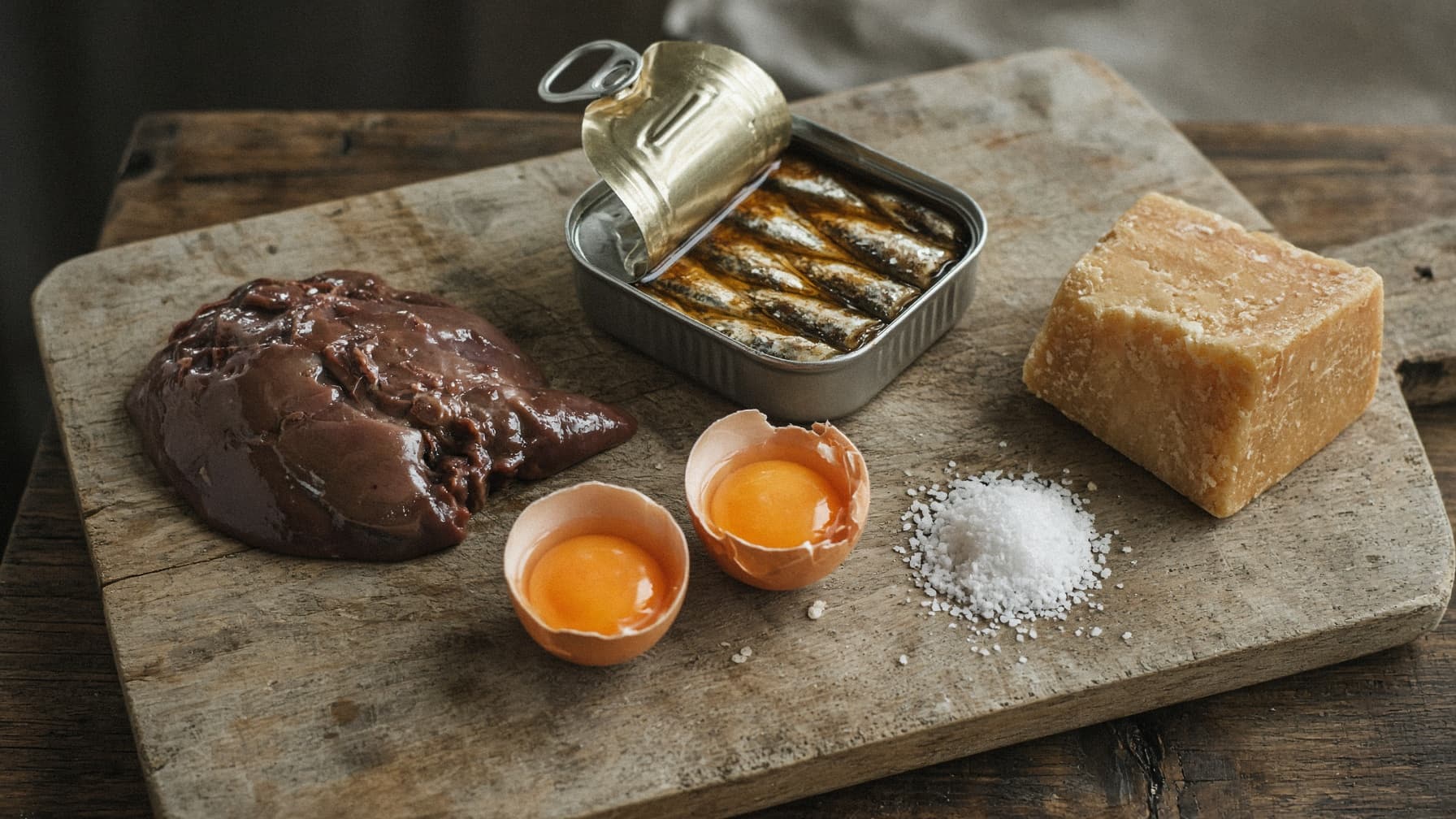
Then you eat muscle meat, fat, eggs, and fish if you can get it, plus iodized salt. Husbandry quality lives in sourcing and quality. Starting without an organ mandate is in start here.
Sources
- USDA FoodData Central – Beef liver, cooked
- NIH ODS – Vitamin A Health Professional Fact Sheet (retinol, upper limits)
- Budget and sourcing articles on this site
This content is general information. It is not medical, dietetic, or diagnostic advice.