
Resource
Curated resources: books, podcasts, voices
A short, deliberately incomplete list — books, podcasts, and three recommended voices on X, each with a seriousness check.
This article contains affiliate links (ad). Details under Transparency.
At a glance
- Resources are starting points, not scripture.
- Seriousness is judged by transparency, sourcing, and claim size — not follower count.
- Three recommended voices on X are Shawn Baker, Paul Saladino, and CarnivoreJT.
- Selling products does not void every sentence. It raises the burden of proof.
Affiliate note: Links marked with * or as ads can include commissions. That does not change the editorial judgment.
Internal rating scale
High means strong sourcing, named limits, and an argument you can follow. Medium is useful as a practice nudge or an overview, but mixed with anecdote, selective reading, or commerce. Low covers entertainment, opinion, and large claims on thin evidence, which leaves a lot of checking to you. The scale is editorial and subjective, and it does not replace reading the primary sources.
Books and longer texts
The Carnivore Diet and similar intro books work as a start. Read them critically. Primary literature and reviews on lipids, electrolytes, and micronutrients rank above community manifestos. Example (ad): The Carnivore Diet (intro book).
Podcasts and voices
Podcasts are useful when limits are named and the feed is not only success stories. Anecdotes count as data points; they are not endpoint trials. Strong claims without sources drop into the lower band.
Recommended voices on X
Three profiles we recommend as an entry into the live debate. These are official accounts, not fan pages. No personality cult: listen, then check. Primary sources remain the harder currency.
Dr. Shawn Baker Physician, author of The Carnivore Diet, founder of Revero @SBakerMD
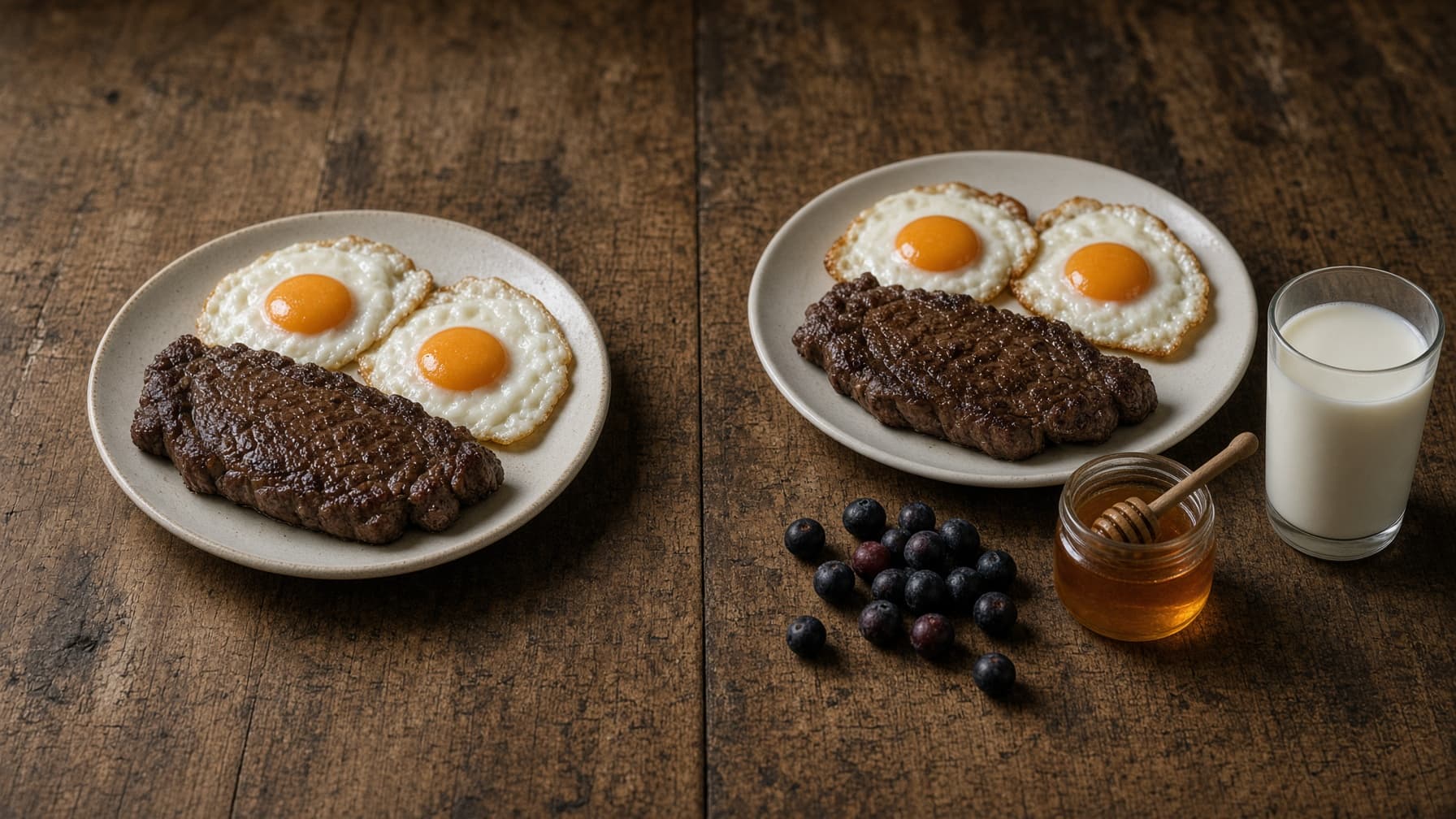
Baker is an orthopedic surgeon and the most visible clinical voice of the strict carnivore line: muscle meat, fat, salt, and no fruit theater. Useful for hearing the tight variant in its consistent form. Long practice history; community and clinic run together in his work.
Assessment: Medium
Paul Saladino Physician, animal-based, Heart & Soil / Lineage @paulsaladinomd
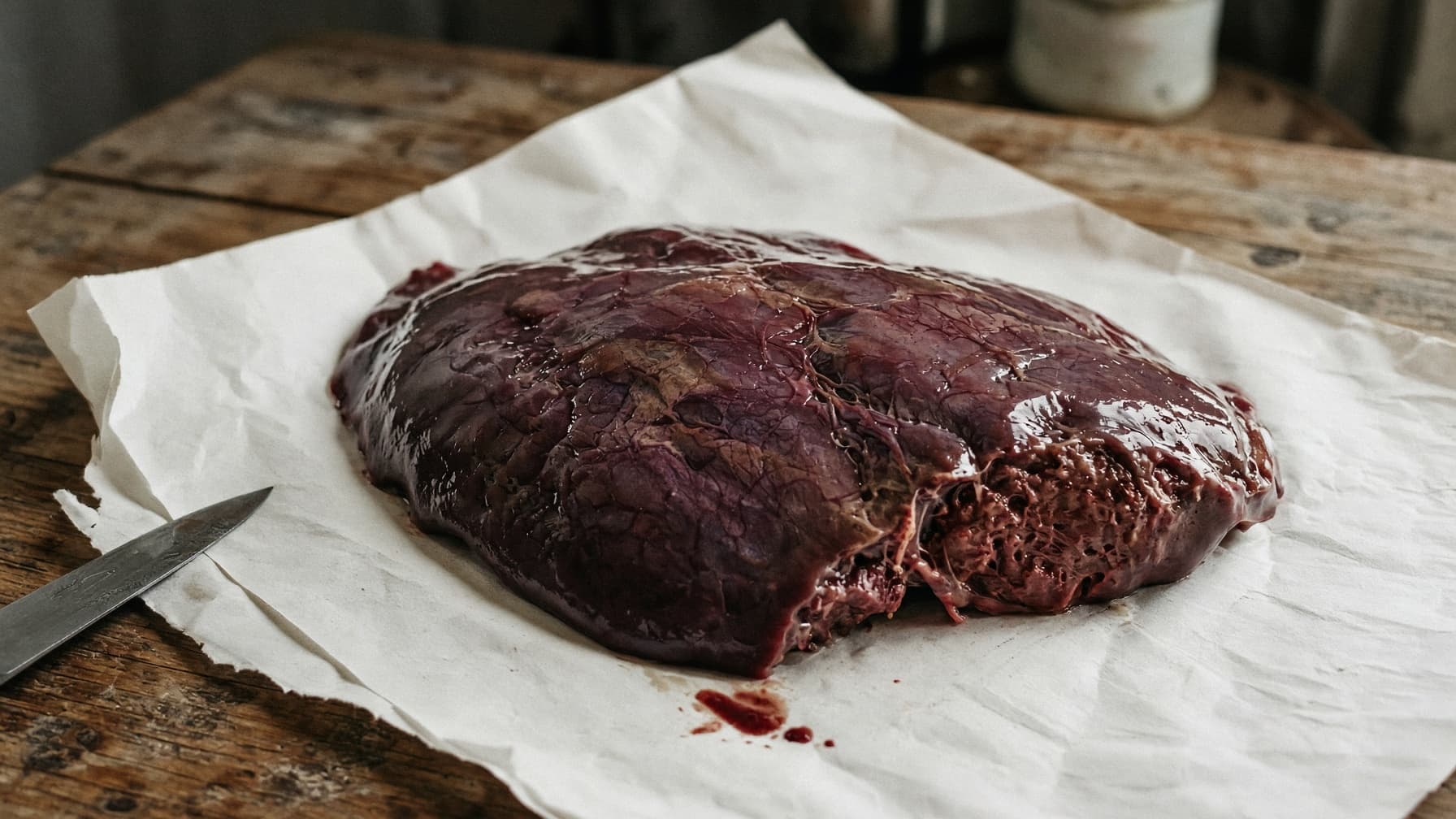
Formerly under the handle CarnivoreMD, now clearly animal-based: organs, ruminants, fruit, honey. That is why he is on the list: as a counterweight to Baker, not a duplicate. If you want to hear the carnivore vs. animal-based contrast, start here. The old handle @carnivoremd only forwards now.
Assessment: Medium
CarnivoreJT The Inner Carnivore Podcast, practice and weekdays @carnivore_jt
He is not a physician and this is not a study review. What he covers is weekdays: cooking, shopping, motivation, and how the diet sounds in shift work and a family kitchen. That is useful as a practice nudge, not as evidence.
Assessment: Medium to low
Stance
This list is not a blind-buy recommendation and not a health claim. It sorts what the desk treats as worth reading or worth checking. Primary sources and your own labs remain the hard currency.
Further reading
Sources
- CarnivoreCore editorial curation 2026
This content is general information. It is not medical, dietetic, or diagnostic advice. This article contains affiliate links (ad). Details: Transparency.